The best investment in Switzerland isn’t a specific stock, ETF, or trend. It’s a personalized strategy that matches your goals, timeline, and risk tolerance. Swiss investors should consider global ETFs, Pillar 3a optimization, quality stocks, and diversified portfolios while accounting for currency risk and tax efficiency. The real question isn’t “what should I buy?” but “what strategy fits my life?”
Key Takeaways
- The question “What should I buy?” is the wrong question. Ask “What strategy fits my life?”
- Switzerland offers stability, but stability alone won’t build wealth.
- You earn in CHF but can invest globally. Use that advantage.
- An ETF is a tool, not a strategy. VOO isn’t right for everyone.
- The 5-step framework: Goals → Reality check → Options → Strategy → Implement
“Charlene, what ETF should I buy?”
“Is it a good time to get into Bitcoin?”
“Should I invest in the SMI?”
I hear these questions constantly. From friends, clients, students.
And I get it. We’re trained to think smart investing means picking the right product. Find the winner. Time the market. Outperform everyone else.
But here’s the truth: even if you picked the best-performing stock last year, if you sold it at the wrong time, you lost money. And even if you bought something average with the right strategy, you probably came out ahead.
So let me flip the question back to you: Are you trying to get rich fast, or do you want freedom for life?
If you just want quick money like a lottery ticket, this article isn’t for you. But if you want to build real, lasting wealth from Switzerland, keep reading. I’ll share the exact framework I use and teach to professionals across 15+ countries.
Why Everyone Is Asking the Wrong Question

After 10 years in banking, including at JPMorgan Asset Management, I’ve noticed something. The people who build wealth aren’t the ones chasing the “best” investment. They’re the ones with a clear strategy.
Here’s what people don’t tell you: an ETF isn’t a plan. It’s a tool.
Let me show you what I mean.
Imagine a young professional in Zurich who wants to buy an apartment in 5 years. Now compare that to someone who’s 55, planning to retire comfortably in 10 years. Or a family saving to send their kid to university in 15 years. Or a 20-year-old dreaming of becoming a digital nomad.
Should all of them just “buy VOO and chill”?
Of course not.
Each of these people needs a completely different approach. Different timeline, different risk tolerance, different goals. The “best” investment for one could be the worst choice for another.
So before we talk about what to invest in, let’s talk about how to think about investing in Switzerland.
What Makes a “Good Investment” in Switzerland?
Switzerland isn’t like other countries. It’s wealthy, high-cost, highly regulated. Your investment options come with unique factors you need to understand.
1. High Stability = Lower Returns
The Swiss system is stable. But stability comes at a price.
Pillar 3a? Heavily regulated. Yes, you get tax savings, but contributions are capped at CHF 7,258 in 2026. Bank savings accounts? Basically 0% return. Real estate? Expensive entry point. The down payment alone scares most people away.
Here’s the uncomfortable truth: if you’re just looking for safety, Switzerland delivers. But safety alone won’t make you wealthy. You need growth, and growth requires accepting some risk.
2. You Have Access to Global Markets
Most people in Switzerland don’t realize this advantage: you’re earning in Swiss francs, one of the world’s strongest currencies, but you can invest globally.
US stocks. European bonds. Global ETFs. Asian markets. Real estate funds. Even crypto.
The world is your investment menu. But you need to know how to access these options without paying crazy fees. That’s where choosing the right broker and understanding currency implications becomes critical.
3. Taxes and Legal Limits Matter
What sounds great on paper might not be worth it after Swiss taxes.
You have wealth tax on your assets. Withholding tax on dividends. Contribution limits on tax-advantaged accounts. What matters is your NET return after all of this, not just the number on a chart.
For a complete breakdown of Swiss tax implications, check out my guide on how to start investing in Switzerland. It covers everything from Pillar 3a optimization to the DA-1 form for reclaiming foreign dividend taxes.
Why “Just Buy an ETF” Isn’t a Strategy
Let me be clear: I’m not saying ETFs are bad. I personally hold them. Most of my portfolio is in ETFs.
But “buy VOO and forget it” isn’t advice. It’s a slogan.
Let’s look at VOO specifically, the Vanguard S&P 500 ETF that everyone recommends.
Problem 1: It’s US-focused. The S&P 500 tracks 500 American companies. If the US market underperforms for a decade, so do you. Not much global diversification there.
Problem 2: It’s USD-denominated. As a Swiss investor, you’re exposed to currency risk. If the dollar weakens against the franc, your returns shrink even if the underlying stocks do well.
Problem 3: It’s pure equity. High volatility in the short term. Great if you’re investing for 30 years. Not great if you need the money in 3.
Does this mean you shouldn’t buy VOO? No. It means you should know whether it fits YOUR situation before buying it.
For a detailed comparison of ETF options available to Swiss investors, read my article on the best ETFs for beginners in Switzerland.
Investment Options Available in Switzerland
Before building your strategy, you need to know what tools are available. Here’s an overview of the main investment options in Switzerland:
| Asset Class | What It Is | Best For | Swiss Note |
|---|---|---|---|
| Stocks | Ownership in companies | Long-term growth | Capital gains tax-free |
| Bonds | Loans to governments/companies | Stability, income | Low CHF yields |
| ETFs | Funds tracking indices, sectors, or bonds | Diversified, low-cost investing | Check TER & fund domicile |
| Real Estate (Direct) | Physical property | Long-term wealth | 20%+ down payment |
| Real Estate (REITs) | Property funds | Diversified exposure | More liquid |
| Pillar 3a | Tax-advantaged retirement | Tax deduction | CHF 7,258 limit |
| Pillar 2 Buy-ins | Voluntary pension | High earners | Check fund gap |
| Vested Benefits | Parked pension | Job changers | Can invest in ETFs |
| Gold | Physical or ETF-based precious metal | Inflation hedge, diversification | No income; crisis protection |
| Cash | Savings | Emergency fund | Near-zero returns |
| Crypto | Digital assets | Speculation | High volatility |
Each of these exists for a reason. The key is matching the tool to your specific situation.

The 5-Step Framework to Find YOUR Best Investment
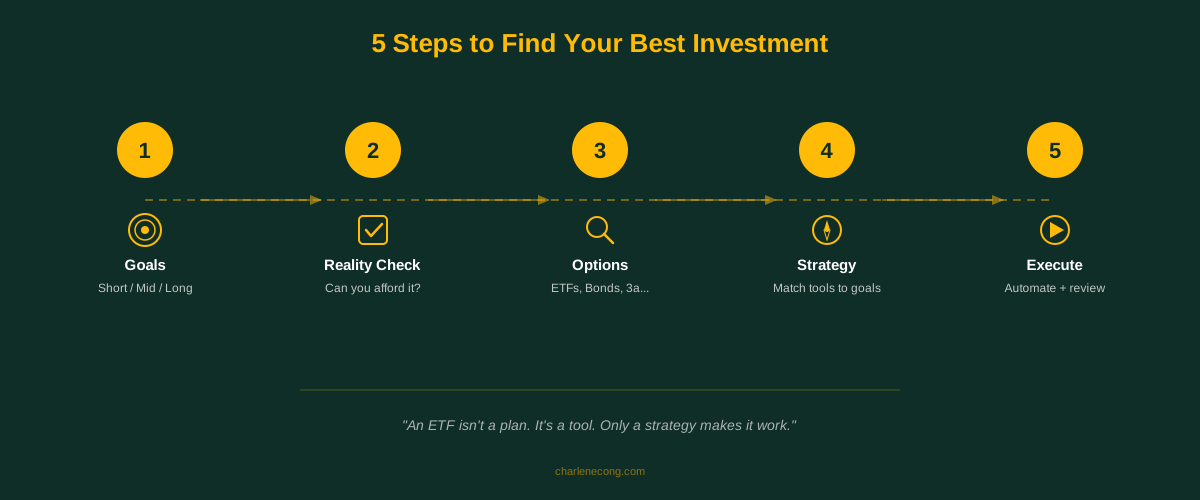
This is the framework I teach inside my VISION Academy program. Let me give you the essentials right here.
Step 1: Write Down Your Life Goals
Start by writing your short-term, mid-term, and long-term financial goals. Be specific. Not “I want to be rich.” Instead:
Short-term (3 years):
“Keep my current lifestyle, no burnout, travel once a year with family.”
Mid-term (7 years):
“Buy a 3.5-room apartment near Zurich. Estimated cost: CHF 800,000. Down payment needed: CHF 160,000.”
Long-term (15 years):
“Build a CHF 1.5 million investment portfolio, quit corporate, start my own business.”
Step 2: Reality Check
Now look at your numbers and ask yourself: are these goals actually achievable based on what you earn, save, and invest?
If you make CHF 2,000 per month and have CHF 10,000 in savings, aiming for a CHF 2 million portfolio in 5 years? No investment will save you. If someone tells you otherwise, it’s probably a scam.
Step 3: Explore Your Investment Options
Once your goals are clear, explore which investment tools can help you reach each one. Not all tools fit all goals.
- 3-year goal: Lower volatility. Bonds, money market. Not 100% equities.
- 15-year goal: More risk acceptable. Global equity ETFs, real estate exposure.
- Tax optimization: Max out Pillar 3a first. It’s essentially free money in tax savings.
Step 4: Build Your Personal Strategy
Connect the dots. Which tools for your 3-year goal? Which for 15-year vision? What to automate monthly? Your risk tolerance? Cash buffer for peace of mind?
Example strategy for a mid-career professional:
- Emergency fund: 6 months expenses in savings
- Apartment fund (7 years): 60% bonds, 40% defensive equity
- Retirement (20 years): 90% global equity ETFs, 10% bonds
- Monthly: CHF 1,500 apartment, CHF 1,000 retirement, CHF 604 Pillar 3a
Need help tracking these numbers? Download my free budget template to plan your monthly investment contributions
Step 5: Implement and Optimize
Open the right accounts. Set up automatic monthly transfers. Review once or twice a year, not daily. Minimize fees. Rebalance when needed.
That’s it. No market timing. No panic selling. Just a clear system that works for your goals.
FAQ: Best Investments in Switzerland
What is the safest investment in Switzerland?
Swiss government bonds and high-quality savings accounts are safest. Pillar 3a with conservative allocation offers safety plus tax benefits. But “safe” typically means low returns.
How much do I need to start investing in Switzerland?
As little as CHF 100. Many brokers like Yuh have no minimum. I started with just $500.
Should I invest in Swiss stocks or global?
Global diversification usually makes more sense. The Swiss market is heavily concentrated in few companies. A global ETF gives you thousands of companies across dozens of countries.
Is real estate a good investment in Switzerland?
It can be excellent, but entry barriers are high. 20% down payment plus fees. For many, REITs offer property exposure without massive upfront capital.
How do taxes affect investments in Switzerland?
Capital gains on private investments are generally tax-free. Dividends are taxed as income. Your total assets face wealth tax. Pillar 3a contributions are fully tax-deductible.
Your Next Step
So what’s the best investment in Switzerland for 2026?
It’s not a stock. It’s not a coin. It’s not a trend.
It’s having a strategy. A simple, goal-based system that helps you build wealth on your terms.
The hardest part? Taking the first step.
The best investment in 2026? A strategy that fits your life.
Want Help Building That Strategy?
Join my free 90-minute live masterclass where I walk you through my complete framework — the same approach I used to retire at 32. No sales pressure. Just real education.
Disclaimer: This article is for educational purposes only and does not constitute investment advice. All investments carry risk. Consult a qualified financial advisor before making investment decisions.
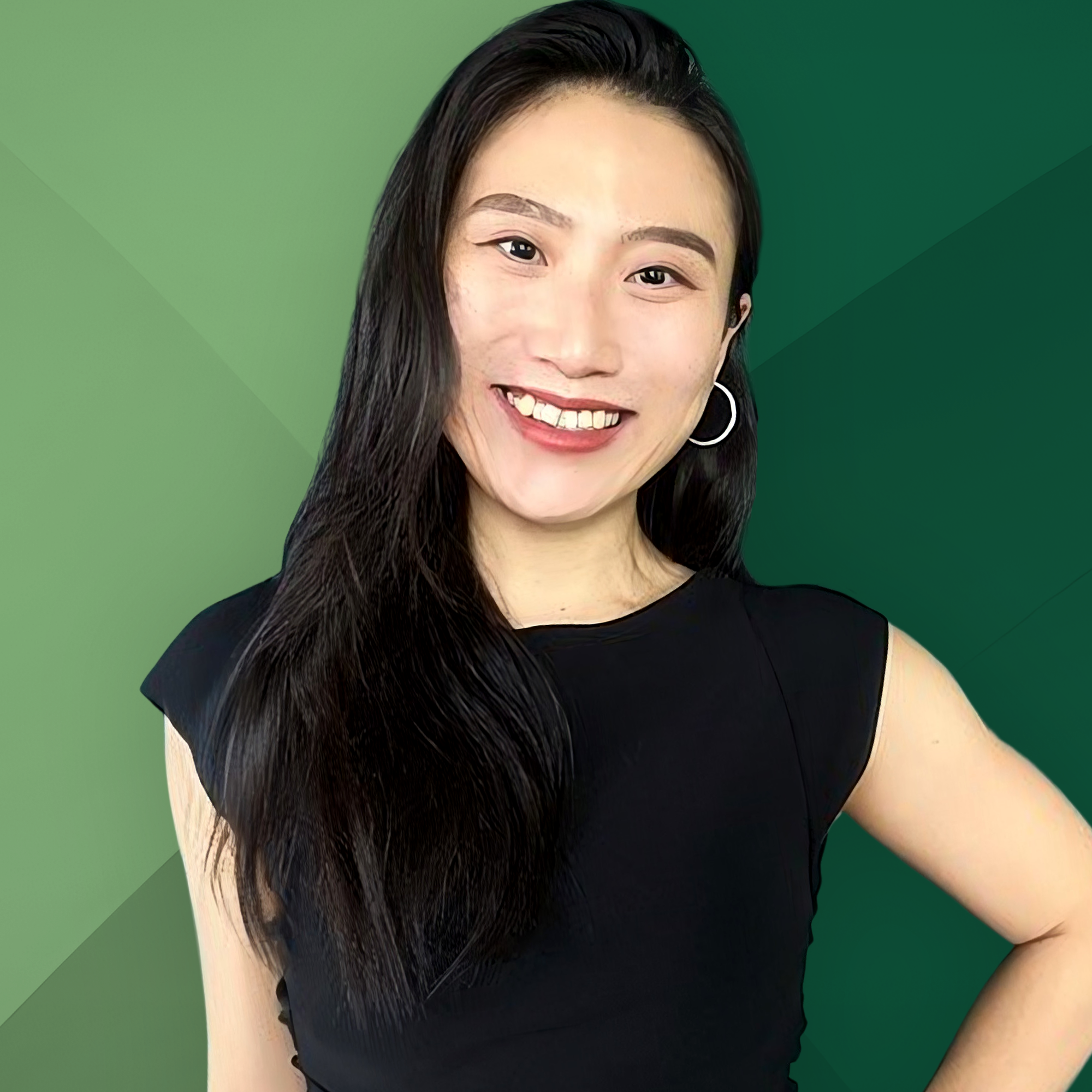
Charlene Cong, CFA, based in Zurich, Switzerland, is the founder of FinFit Solution and VISION Investment Academy. She is a seasoned Chartered Financial Analyst (CFA) with over a decade of experience in finance and banking across Asia and Europe.
Her career includes a notable tenure at JPMorgan and serving as an executive board member of the Swiss Capital Market Forum Association. She also has over seven years of experience as a banking journalist, where she investigated the investment strategies of high-net-worth individuals.